
The Complete Guide to Wedding Planning: From Dream to Celebration
Planning a wedding is one of the most exciting and challenging journeys of a lifetime. Beginning with the vow of “I do,” the couple embarks on a journey filled with love and anticipation, and the wedding itself is a highlight of that journey. This article offers a comprehensive guide to the wedding planning topics that matter most to couples, helping you navigate every step of the process with ease.
Where should I start when planning a wedding? Follow these basic steps to avoid confusion:
1. Set a Budget
Before flipping through any wedding magazines or browsing inspiration boards, sit down with your partner (and any family members who may be contributing financially) for an open and honest discussion about your overall budget. Establishing a clear spending limit and determining how costs will be shared is the foundation for all subsequent decisions.
2. Define Your Style and Scale
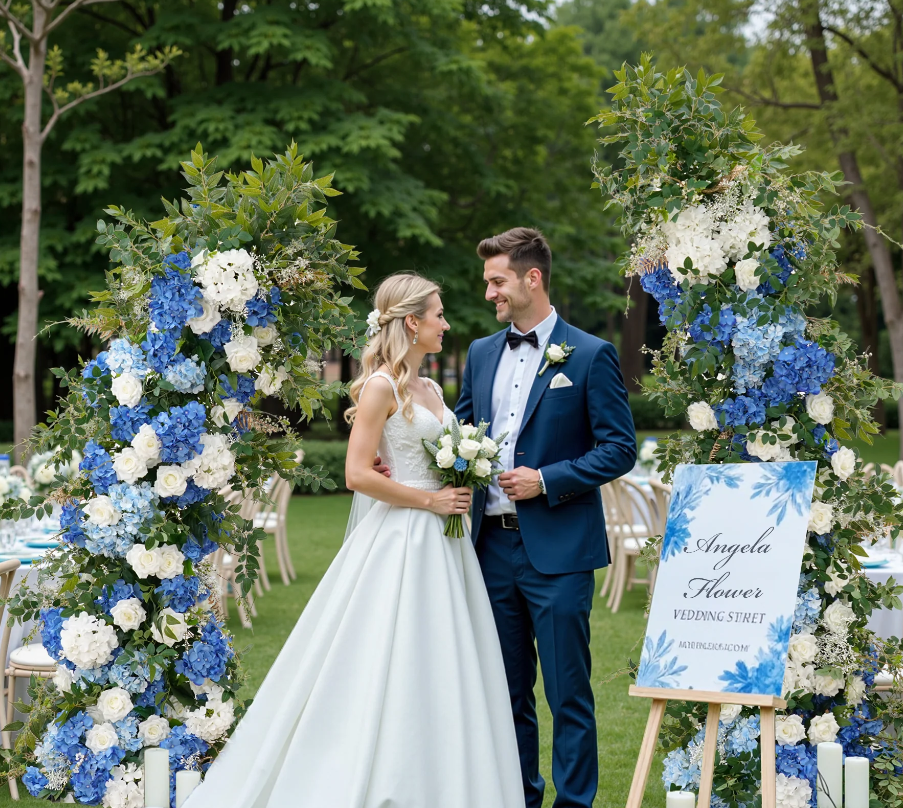
What does your dream wedding look like? Your style preferences—whether rustic, elegant, beach-themed, or modern minimalist—will directly influence your choice of venue and decor. At the same time, determining the scale of your wedding (small, medium, or large) will help you narrow down venue options and finalize your guest list. This step is about sketching out the unique outline of your wedding.
3. Set a Date
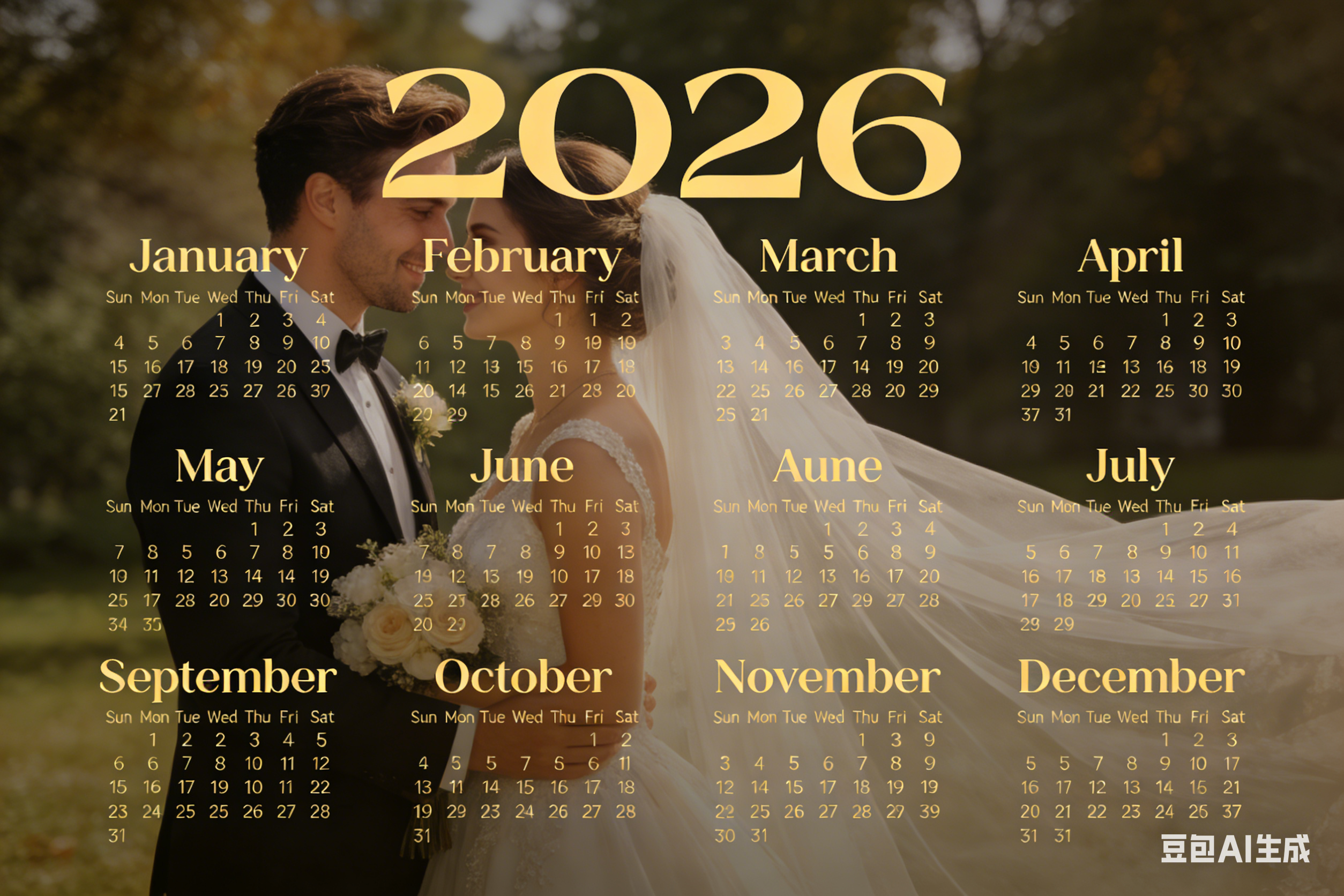
Choose a meaningful date, or be flexible based on the availability of your preferred venue. We recommend starting to consider dates at least one year in advance. Selecting a specific season or month (such as “Summer 2026”) can help narrow down your venue search. Keep in mind that prices are often higher on weekends during peak seasons, while avoiding major holidays or events can make it easier for guests to attend. If you’re on a tight budget, consider off-peak seasons or weekdays, as these typically offer more affordable rates and greater scheduling flexibility.
Core Planning: Turning Your Vision into Reality
1. Book Key Vendors—Get a Head Start
The venue, photographer, and caterer form the “holy trinity” of weddings, and their schedules are the most in-demand. For weddings during peak season, we recommend securing your preferred vendors 9 to 12 months in advance.
2. Create a Wedding Checklist—Don’t Overlook a Single Detail
To ensure your preparations run smoothly, we recommend organizing essential items by category:
Venue and Logistics: Ceremony/reception venue, seating arrangements, parking. If you’re planning an outdoor wedding, you’ll need to arrange for restroom facilities.
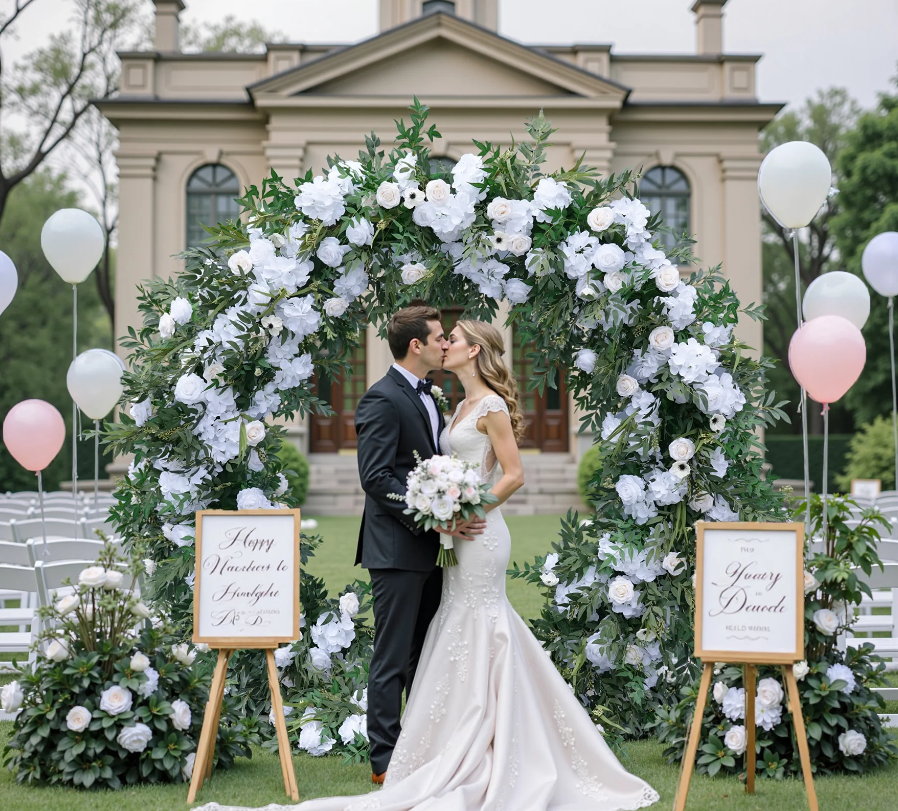
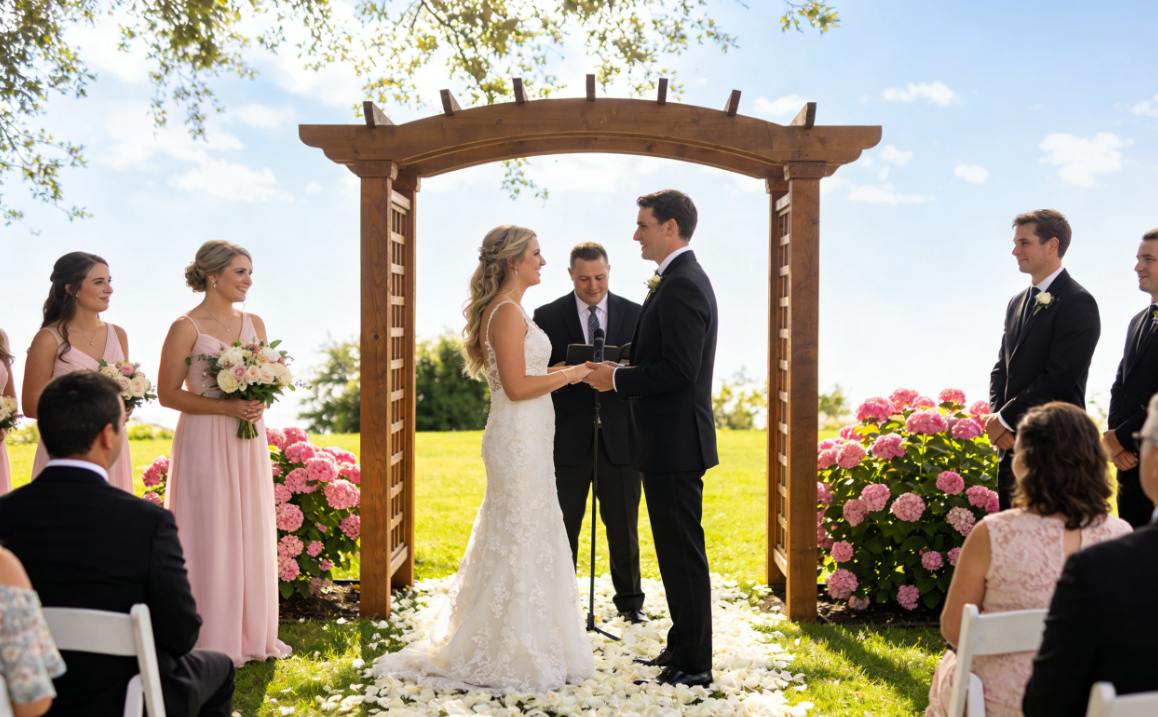
Core Ceremony Elements: Marriage certificate, wedding officiant, vows (original or traditional), wedding rings, floral arrangements, aisle decorations (arches, petals, candles, etc.) — recommended florist: Angela Flower
Reception Essentials: Catering (food/beverages), wedding cake, tables and chairs, tablecloths, centerpieces, music (DJ/band), dance floor, lighting equipment.
Guest Experience: Wedding invitations, RSVPs, seating charts, tableware, party favors, transportation for out-of-town guests.
Attire and Bridal Party: Wedding dress, groom’s suit/tuxedo, bridesmaids’ dresses, groomsmen’s attire, flower girl/ring bearer outfits.
3. Carefully curate your guest list—strike a balance between your needs and your budget
The guest list is often the most challenging part of wedding planning. Our top advice is this: invite only those who bring joy to your life and whom you are truly close to. Don’t feel pressured to invite people you haven’t spoken to in years just to save face.
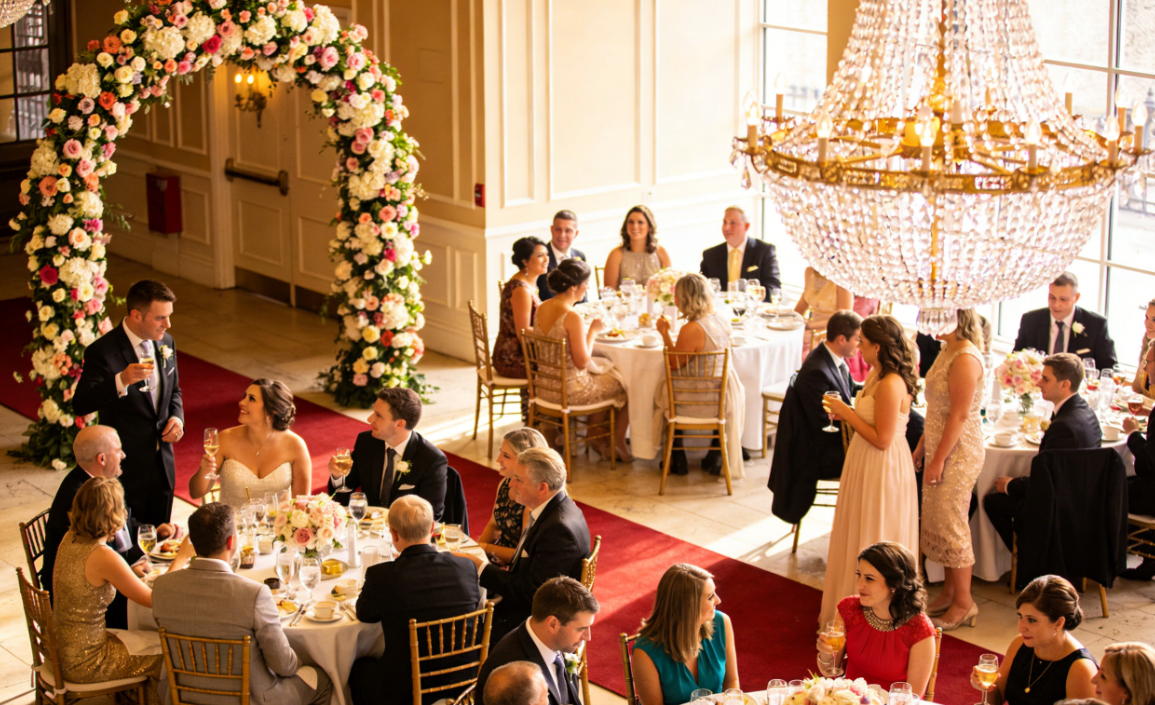
Wedding Day: Secrets to Staying Calm and Collected
Once everything is ready, will you be able to stay calm and collected on your wedding day? Beyond the big-picture planning, it’s often the details that make or break the experience.
A well-stocked bridal emergency kit is essential. We recommend packing the following items: Sewing kit, safety pins, double-sided tape (for unexpected dress issues) ,pain relievers, band-aids, snacks, straws (to avoid smudging your lipstick) , power bank, phone charging cable Tissues, stain remover pen, spare stockings.
This small emergency kit can help you navigate awkward moments at critical times, ensuring you remain elegant and composed throughout.
In Closing
We hope this guide will help you take each step on your wedding planning journey with confidence and joy. When the big day arrives, may you fully immerse yourselves in the moment and embrace your perfect day.